Trump Administration Rescinds Congressional Funding
Trump Administration Rescinds Congressional is back in focus after The Guardian reported that Trump cancels nearly $1bn in funding approved by Congress.
AuthorNavdeep Singh
PublishedSep 26, 2026, 8:24 PM
UpdatedSep 26, 2026, 8:24 PM

politics
Trump Administration Rescinds Congressional is back in focus after The Guardian reported that Trump cancels nearly $1bn in funding approved by Congress.
According to The Guardian, the rescission was justified by the administration as a move to eliminate “the most harmful government spending.” The Office of Management and Budget described the cuts as unnecessary because illegal border crossings have diminished.
The move follows a recent $810 million cut to education and health programs that also defied congressional approval, as reported by The New York Times.
This is the second time the Trump administration has invoked the rescission power. A tactic that lawmakers in both parties have called illegal. The rescission tool allows the president to cancel funds that have already been appropriated, bypassing the congressional approval process.
Trump Administration Rescinds Congressional and the policy shift
- Nearly $1 billion in funding removed, including $567 million for refugee services.
- Cuts focus on programs for unaccompanied minors and non‑profits serving immigrants.
- Administration claims the funds are no longer needed due to reduced illegal crossings.
The rescission affects agencies such as the Department of Homeland Security’s Office of Refugee Resettlement and the Department of Health and Human Services’ Office of Refugee Health. Critics argue the move undermines the federal commitment to humanitarian obligations.
The Office of Refugee Resettlement has already reported a shortfall in resources that could delay the processing of new refugee applications. The cuts also impact community organizations that rely on federal grants to provide legal and medical assistance to immigrants.
Supporters of the rescission argue that the funds were misallocated and that the administration is correcting budgetary waste. They point to a decline in the number of unaccompanied minors crossing the border as evidence that the programs are no longer essential.
Opponents warn that the rescission could set a dangerous precedent, allowing the executive branch to unilaterally alter congressional appropriations. They also fear that the cuts could harm vulnerable populations who depend on these services.
The rescission also includes funding for diversity initiatives within federal agencies. These programs aim to promote inclusive hiring practices and support underrepresented groups in the workforce.
By eliminating these funds, the administration signals a shift away from diversity and inclusion efforts. Critics argue that this move could erode progress made in recent years toward a more equitable federal workforce.
The rescission has sparked a debate over the balance of power between the executive and legislative branches. Some lawmakers argue that the president is overstepping his authority by using a tool that Congress has not authorized.
Legal experts suggest that the rescission could face challenges in court, citing the Appropriations Clause of the Constitution. The clause requires that all federal spending be authorized by Congress.
The administration has defended the rescission as a necessary step to reduce federal spending. It claims that the cuts will save taxpayers money and streamline government operations.
Opposing lawmakers have called for a congressional investigation into the use of the rescission power. They argue that the executive branch should not have the ability to override congressional appropriations without oversight.
What this means for the Republican Party and Congressional Relations
- Legal challenges loom as lawmakers argue the rescission violates the Appropriations Clause.
- The Republican Party faces a dilemma: support the president’s fiscal agenda or defend congressional authority.
- Future budget negotiations may see increased pressure on the administration to seek congressional approval for cuts.
Members of the Freedom Caucus, a hard‑line Republican group, have already signaled opposition, citing the need to uphold the Constitution’s separation of powers. The clash shapes upcoming midterm elections, where fiscal policy remains a key issue.
Some Republican lawmakers fear that the rescission could alienate voters who support immigration reform and diversity initiatives. They worry that the cuts could damage the party’s image as a champion of inclusive policies.
Conversely, fiscal conservatives within the party applaud the move, viewing it as a bold step toward reducing federal spending. They argue that the rescission aligns with the party’s long‑standing commitment to limited government.
The administration’s use of the rescission tool may prompt Congress to consider new legislation that restricts the president’s ability to unilaterally cancel appropriated funds. Such legislation could restore the traditional balance of power between the branches.
In the short term, the rescission could strain relations between the White House and congressional leaders. Both parties may need to negotiate to avoid further legal battles and maintain legislative stability.
Political analysts predict that the rescission will become a focal point in discussions about executive authority. The outcome of any legal challenges could set a precedent for future budgetary disputes.
The administration’s decision also raises questions about the future of federal programs that rely on appropriated funds. Stakeholders will monitor how the rescission affects program continuity and funding streams.
As the debate unfolds, the Republican Party must navigate the tension between supporting the president’s fiscal agenda and maintaining congressional oversight. The resolution of this conflict will shape the party’s legislative strategy for the remainder of the term.
Sources
- The Guardian – Trump cancels nearly $1bn in funding approved by Congress
- CBS News – Trump cancels nearly $1 billion in spending approved by Congress, a move some lawmakers called illegal
- The New York Times – Trump Proposes $810 Million in Education and Health Cuts, Defying Congress
- Politico – Trump cancels $1B in federal spending in latest challenge to Congress
Related News
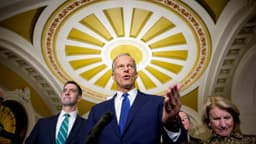
Senate Voter ID Amendment Fails as Republicans' Sweeping
Senate Voter Id Amendment is back in focus after the latest reporting reported that Watch for the next confirmed development. Official response, or measurable impact related to

Did Spencer Pratt Win Today: Nithya Raman Takes the Lead
Did Spencer Pratt Win is back in focus after USA Today reported that Spencer Pratt. Former reality TV star, loses ground in LA mayor's race.

Peru Elections 2026 Results: Statistical Tie Unfolds
According to the Ipsos quick count, the Peru elections 2026 results are currently in a statistical tie. With over 90% of the votes counted, right-wing conservative candidate Keiko
More News
Travel
Orlando weekend downtown traffic surge tests parking and
Sports
England Vs Spain: Nations League Showdown Highlights
Business
Distributor Politics: Texas meat recall sparks regulatory
Tech
PlayStation Plus Price Hike Looms: 36% Increase Threatens
Stock Market
ISS Russia Drill Tension Escalates as NASA Astronauts Take
Politics